Compare Local Contractors for Fence Construction Projects
Compare local contractors to define your project, verify experience, and set clear expectations for a successful fence construction.
Fence construction projects typically encompass a range of work, including the installation of various types of fencing materials such as wood, vinyl, chain link, or ornamental metal. Contractors often handle tasks like site preparation, measuring and marking property boundaries, securing permits if necessary, and ensuring the fence is properly anchored and level. The scope of work may also extend to customizing designs, integrating gates or other features, and addressing specific property considerations such as terrain or existing structures. Clarifying what is included in the project helps property owners understand the work involved and ensures that everyone has aligned expectations from the outset.
Defining the scope of a fence construction project is essential for establishing clear expectations and avoiding misunderstandings. A well-detailed scope outlines the specific materials, design preferences, dimensions, and any additional features or considerations. It also helps property owners identify potential challenges, such as uneven ground or existing landscaping, that might influence the work. Having a written scope provides a reference point for discussions with service providers and can serve as a basis for comparing proposals, ensuring that each local contractor understands exactly what is expected and can deliver accordingly.
When evaluating local contractors for fence construction, property owners should consider several factors to make informed comparisons. Verifying the experience and reputation of service providers can be done through references or past project portfolios. It’s also important to review how each contractor approaches the scope of work, including the level of detail in their proposals and the clarity of their communication. Comparing how contractors plan to handle specific property conditions, their methods for ensuring quality, and their approach to project management can help identify the most suitable service providers. Ultimately, selecting a contractor involves assessing their ability to deliver the project as defined in the scope and their professionalism in managing the work.
Compare local contractors by outlining project priorities, verifying experience, and clearly defining expectations in writing.
- Compare Contractor Experience - Review the backgrounds of local contractors to ensure relevant fencing project experience.
- Define Project Scope Clearly - Establish detailed work descriptions to align expectations and prevent misunderstandings.
- Verify Credentials and References - Check references and previous work to assess the quality and reliability of service providers.
- Document Agreements in Writing - Ensure all project details, responsibilities, and expectations are outlined in a formal contract.
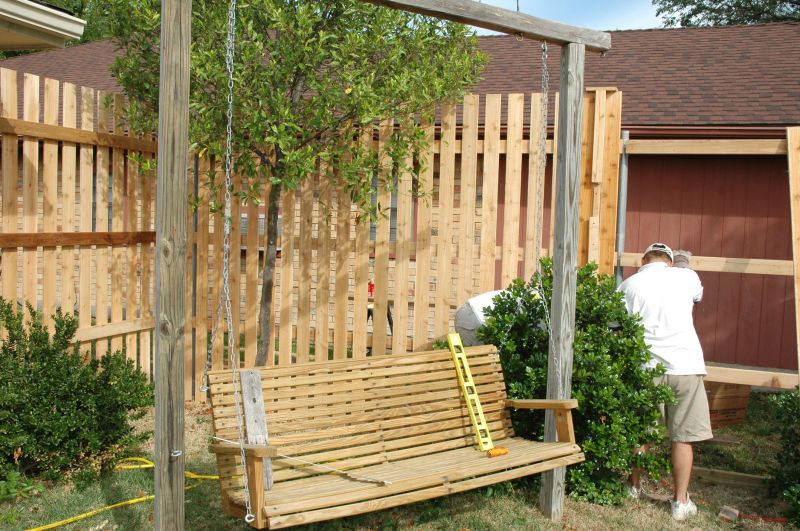
Before comparing contractors, clearly define your fence project scope and verify their experience in similar installations.
- Verify experience and references of local contractors to ensure they have completed similar fence projects. - Consider reviewing previous work examples and speaking with past clients to assess quality and reliability.
- Define the scope of work clearly in writing, including materials, fence height, design, and property boundaries. - Ensure all project details are documented to prevent misunderstandings and scope creep.
- Compare multiple service providers to evaluate their expertise, communication, and professionalism. - Gathering multiple bids can help identify the most qualified contractor for the job.
- Check that contractors understand local building codes and property restrictions relevant to fence construction. - Confirm that the chosen contractor is familiar with regulations to avoid future compliance issues.
- Discuss project expectations, including cleanup and site preparation, and get these details in writing. - Clear communication helps ensure the project proceeds smoothly and meets your needs.
- Request a detailed written contract that outlines the work scope, materials, warranties, and payment terms. - A comprehensive agreement provides clarity and legal protection for both parties.
Use this to compare local contractors, clarify scope, verify experience, and set clear expectations.
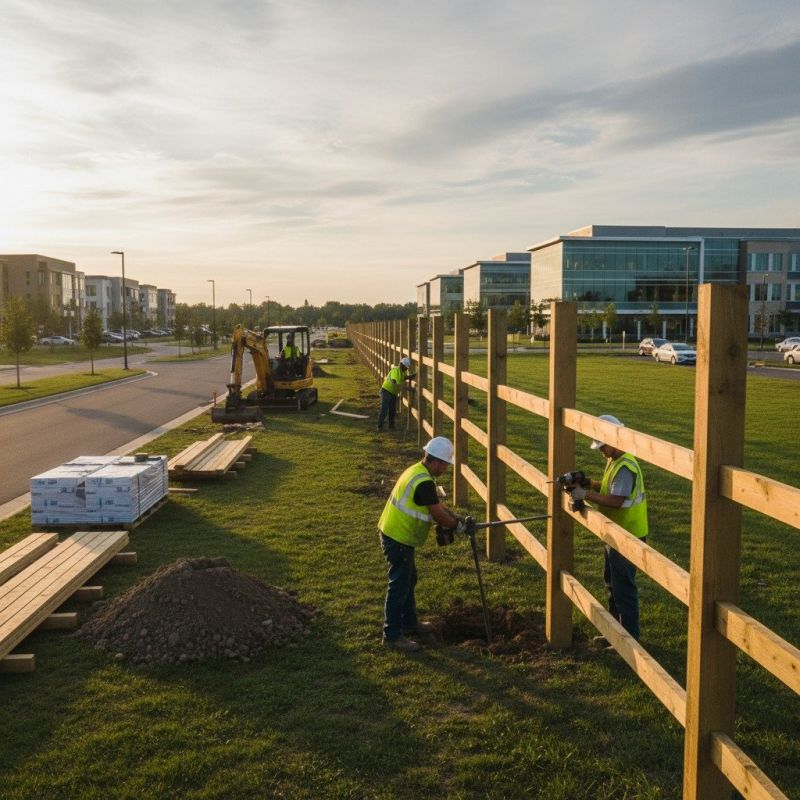
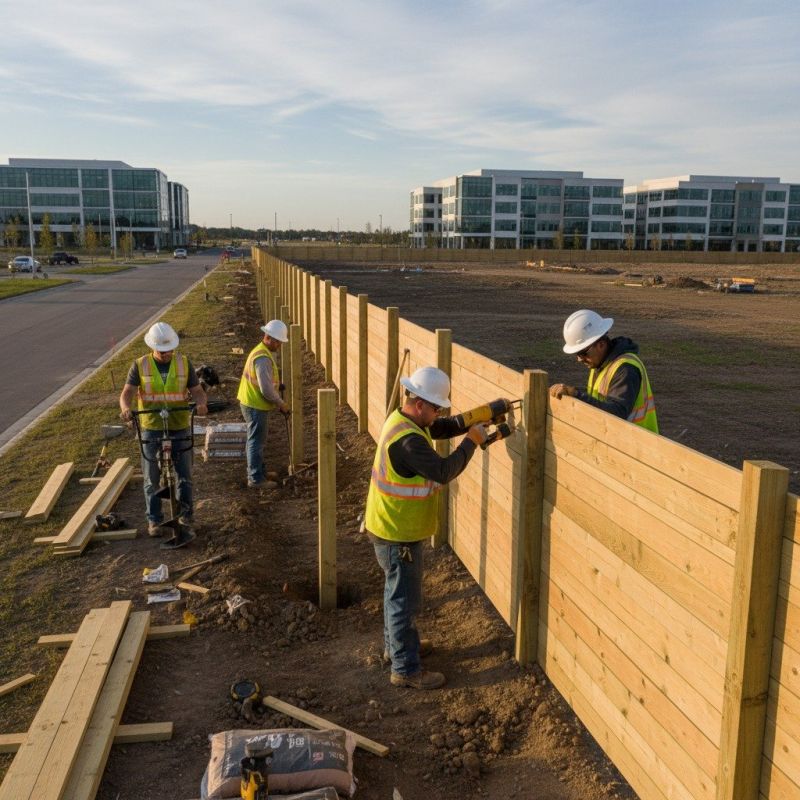
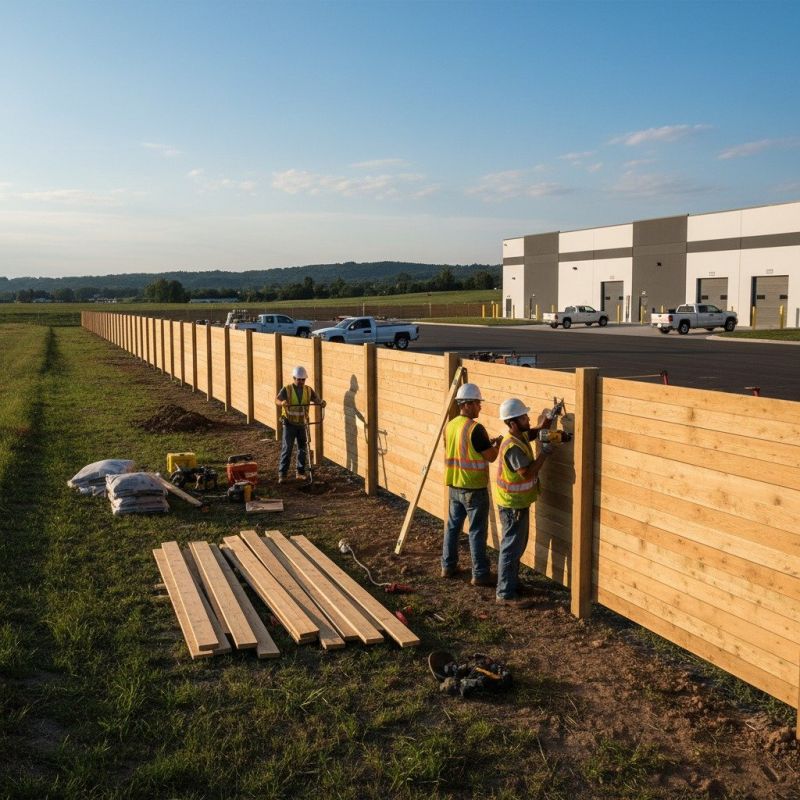
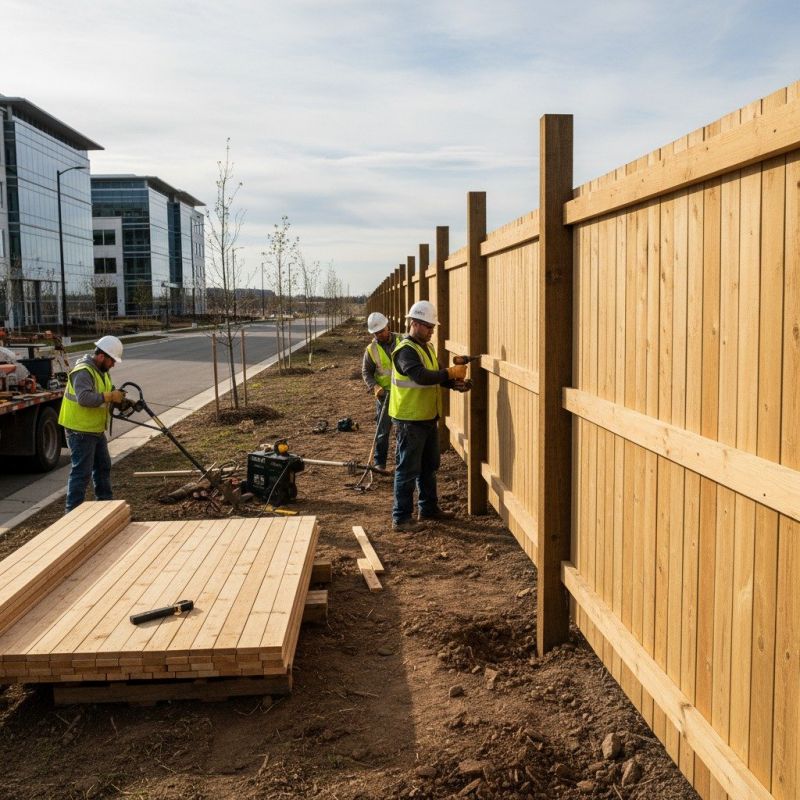
Learn how to compare fence construction contractors, define scope, verify experience, and set clear expectations in writing.
- Define project scope - clearly outline the type, style, and materials of the fence to be constructed.
- Verify experience - ensure local contractors have relevant experience with fence construction projects.
- Establish specifications - specify dimensions, property boundaries, and any design preferences in writing.
- Determine site conditions - assess terrain, access points, and existing structures that may impact construction.
- Set expectations in writing - document all project details, responsibilities, and standards to facilitate clear communication.
When comparing contractors for fence construction, it’s important to evaluate their experience with similar projects. Service providers who have a proven track record working on fences comparable in style, material, or scope can offer insights into their familiarity with the specific requirements you have. Asking about previous work or requesting references related to similar projects can help gauge their expertise and ensure they are comfortable handling the type of fence you want to install.
A clear, written scope of work is essential for setting expectations and avoiding misunderstandings. Reputable contractors should be able to provide a detailed description of the work to be performed, including materials, dimensions, and specific tasks involved. This documentation serves as a reference point throughout the project and helps ensure that both parties agree on what will be delivered, reducing the potential for disputes or surprises.
Verification basics involve confirming a contractor’s background and credentials, such as their experience with similar fences, reputation in the community, and the ability to provide a comprehensive proposal. While formal licensing and certification are not the focus here, verifying references or reviews can provide valuable insights into a contractor’s reliability and quality of work. It’s also helpful to confirm that the contractor has appropriate insurance coverage to protect against unforeseen issues during construction.
Evaluating options without focusing on prices involves considering the quality of the proposed scope, the professionalism of the contractor’s communication, and their ability to clearly articulate the project plan. Comparing the level of detail in their proposals, their approach to handling potential challenges, and their responsiveness can help identify service providers who are well-equipped to meet expectations. Making an informed decision based on experience, clarity, and professionalism can lead to a successful fence project that aligns with specific needs and standards.
Ask contractors to provide written scope details to ensure clear expectations and consistent project understanding.
- Experience and Credentials - What experience do the local contractors have with the specific type of fence needed?
- Scope of Work - How will the scope of the fence construction be clearly defined and documented?
- Materials and Design - What materials and design options do the service providers recommend for the project?
- Project Expectations - How do local contractors plan to handle potential challenges or changes during construction?
- References and Past Work - Can the service providers provide references or examples of previous fence projects similar to the scope?
How can I compare different fence construction contractors? To compare contractors, review their experience, verify references or reviews, and ensure their scope of work aligns with project needs. Gathering multiple proposals helps identify the best fit for the job.
What should I consider when defining the scope of my fence project? Clearly outline the type of fence, materials, length, height, and any additional features or specifications to ensure contractors understand your expectations and deliver consistent results.
How can I verify a contractor’s experience in fence construction? Ask for details about their previous projects, request references, or review their portfolio to assess their familiarity with the type of fence you want and their overall expertise.
Why is it important to get written agreements with contractors? Written agreements specify project scope, materials, responsibilities, and expectations, helping prevent misunderstandings and providing a clear record of what is agreed upon.
What questions should I ask potential fence contractors? Inquire about their experience, the materials they recommend, their process for managing the project, and how they handle unforeseen issues or changes during construction.
How can I ensure a contractor understands my specific fencing needs? Communicate your project details clearly, ask for their input, and confirm that they can meet your specifications before proceeding with the work.
By exploring the options available, visitors can learn how to effectively compare local contractors, define the scope of their fencing projects, verify experience, and ensure clear communication through written agreements. This approach helps set realistic expectations and supports making informed decisions for fence construction services. Utilizing the quote form provides a straightforward way to connect with trusted service providers in the area and gather the information needed to find the right fit for specific project needs.
Taking advantage of the quote form allows visitors to easily reach out to qualified local contractors who specialize in fence construction. Comparing multiple options helps clarify the services offered and the experience of each provider, making it easier to choose the best match for the project. Providing detailed project scope and expectations upfront ensures a transparent process, helping to establish a solid foundation for working with service providers in the community.