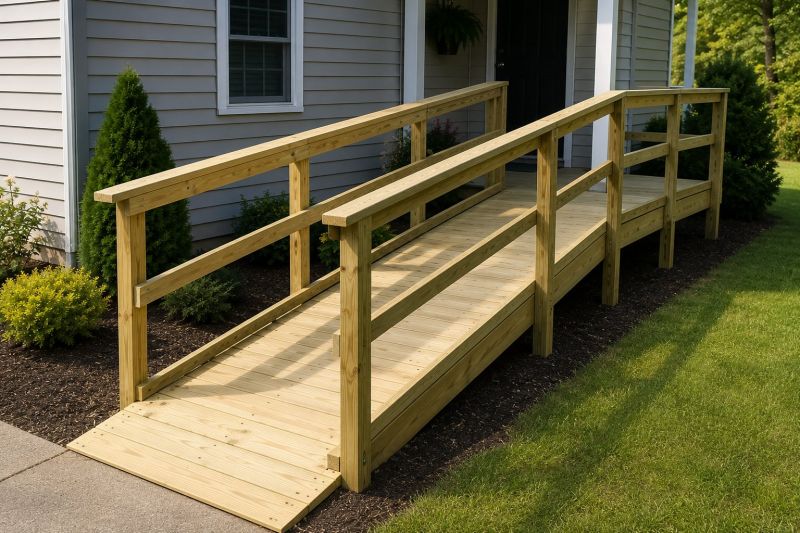
Handicap Ramp Replacement in Wilmington, NC
Handicap ramp replacement services involve removing outdated, damaged, or unsafe ramps and installing new accessible solutions to improve mobility and safety around a property. These projects typically include replacing existing ramps that no longer meet current standards or are showing signs of wear, as well as installing entirely new ramps where none previously existed. Property owners often seek this service to ensure compliance with accessibility needs, enhance safety for individuals with mobility challenges, or update the appearance of their property with modern, durable ramps.
Before requesting handicap ramp replacement, property owners should consider factors such as the specific accessibility requirements, the type of ramp suitable for their property (e.g., wheelchair, scooter, or walker access), and the space available for installation. It’s also helpful to understand any local building codes or regulations that may influence the design and placement of the new ramp. Clarifying these details can help ensure the replacement process aligns with safety standards and accessibility goals.
Many property owners in Wilmington, NC look into Handicap Ramp Replacement for repairs, replacements, upgrades, and appearance-related improvements.
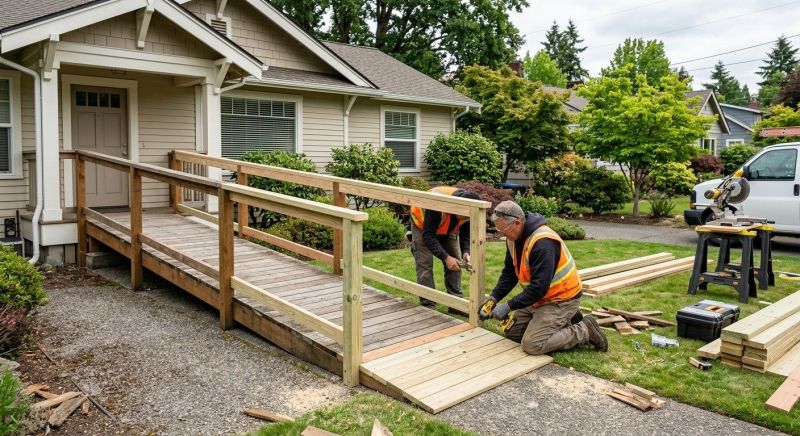
Accessibility Improvements
Upgrading existing ramps to ensure safe and easy access for all visitors.
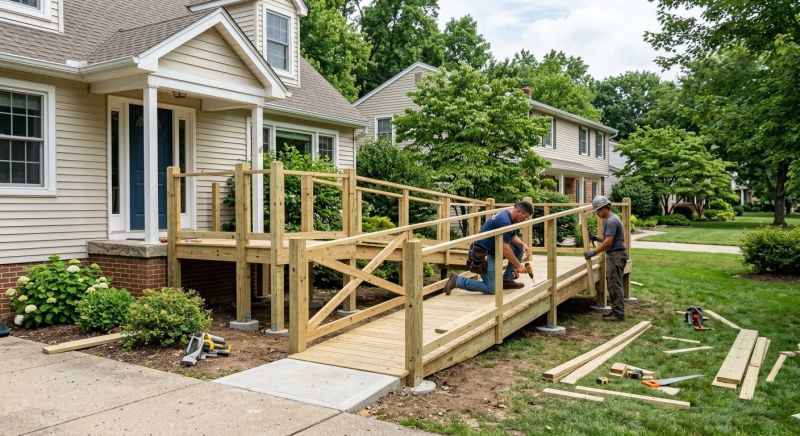
Custom Ramp Solutions
Designing and replacing ramps that fit the unique layout of wilmington homes and businesses.
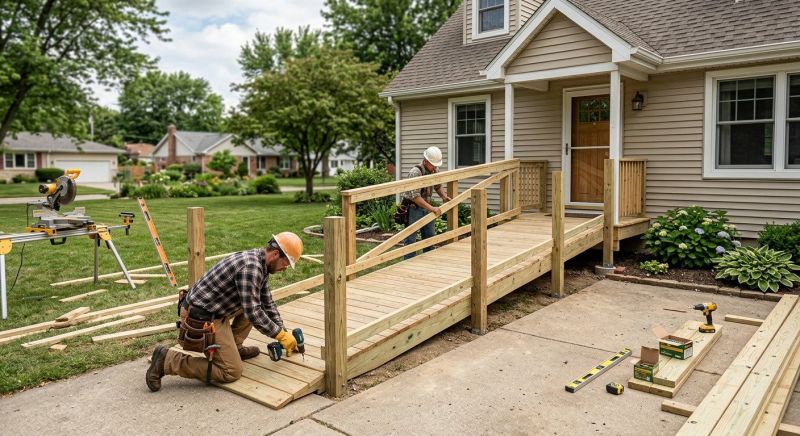
Safety And Compliance
Ensuring ramps meet safety standards and provide secure entry for individuals with mobility challenges.
Handicap Ramp Replacement in Wilmington, NC
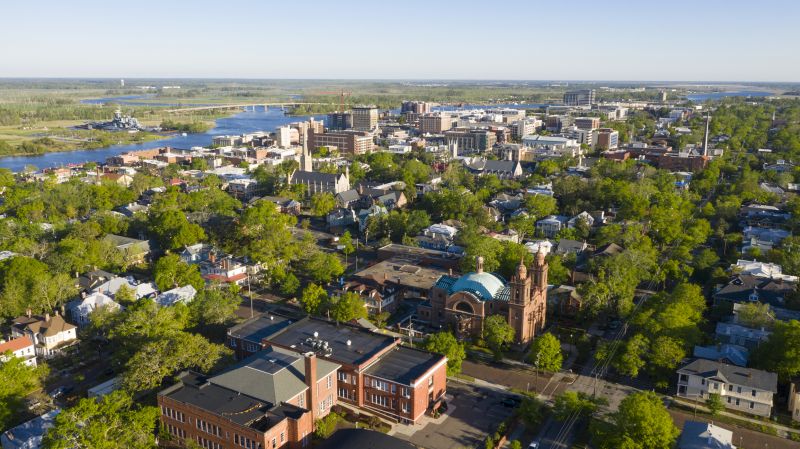
Handicap ramp replacement services involve removing outdated, damaged, or unsafe ramps and installing new accessible solutions to improve mobility and safety around a property. These projects typically include replacing existing ramps that no longer meet current standards or are showing signs of wear, as well as installing entirely new ramps where none previously existed. Property owners often seek this service to ensure compliance with accessibility needs, enhance safety for individuals with mobility challenges, or update the appearance of their property with modern, durable ramps.
Before requesting handicap ramp replacement, property owners should consider factors such as the specific accessibility requirements, the type of ramp suitable for their property (e.g., wheelchair, scooter, or walker access), and the space available for installation. It’s also helpful to understand any local building codes or regulations that may influence the design and placement of the new ramp. Clarifying these details can help ensure the replacement process aligns with safety standards and accessibility goals.
Many property owners in Wilmington, NC look into Handicap Ramp Replacement for repairs, replacements, upgrades, and appearance-related improvements.
Common Handicap Ramp Replacement Jobs
Handicap Ramp Replacement - Upgrading or replacing existing ramps for improved accessibility and safety.
Residential Ramp Replacement - Installing new ramps to meet evolving mobility needs around homes.
Commercial Ramp Replacement - Ensuring commercial properties maintain compliance with accessibility standards.
Custom Ramp Replacement - Creating tailored ramps to fit specific property layouts and user requirements.
Temporary Ramp Replacement - Providing quick solutions for short-term accessibility needs during renovations.
Safety-Enhanced Ramp Replacement - Upgrading ramps with safer materials and designs for better stability.
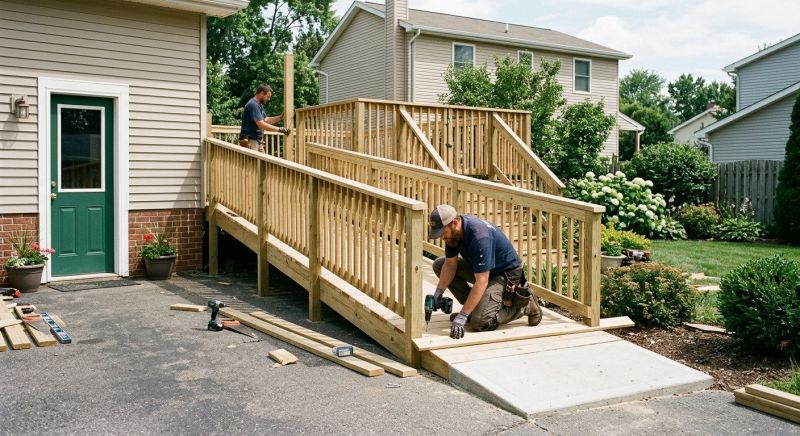
Handicap Ramp Replacement Questions
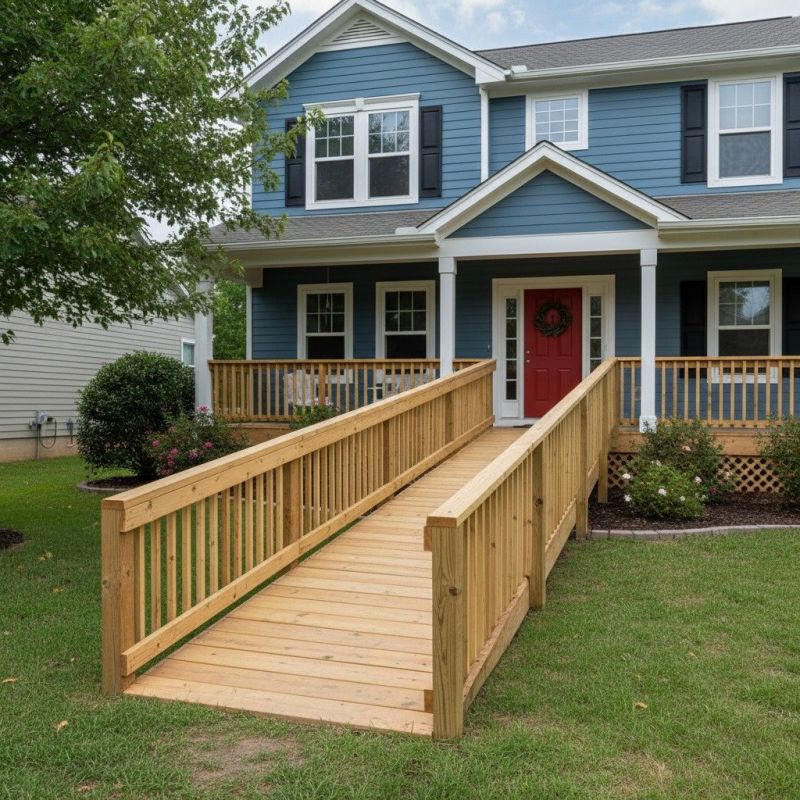
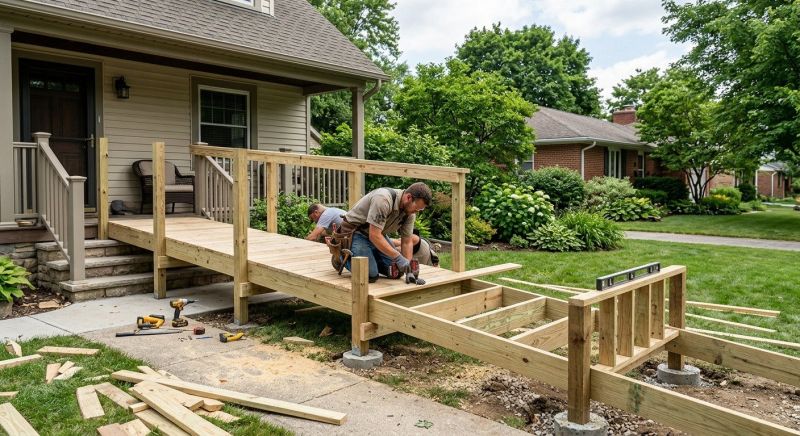
What types of handicap ramp replacement projects are common? Typical projects include replacing worn-out ramps, upgrading to ADA-compliant designs, and installing new ramps for improved accessibility around homes and businesses.
How do I know if a ramp needs replacement? Signs include structural damage, difficulty in mobility, or outdated design that no longer meets accessibility standards.
What materials are used for handicap ramp replacements? Common materials include pressure-treated wood, aluminum, and composite materials, chosen for durability and safety.
What should property owners consider before replacing a handicap ramp? Consider the existing space, accessibility needs, and local building codes to ensure the new ramp meets safety and usability requirements.
Request Handicap Ramp Replacement in Wilmington, NC
Use the quote form on this page to share the basics of your project and request more information for the type of work you need.